Author: Site Editor Publish Time: 08-14-2024 Origin: Site
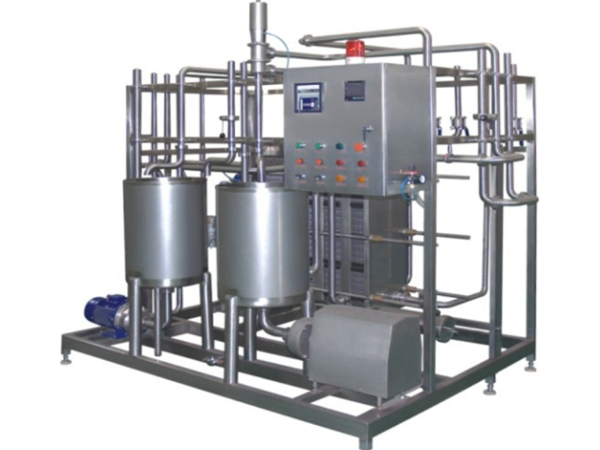
In today's food processing world, the pasteurizer is a really important tool. It keeps our food safe and makes it last longer by carefully adjusting the temperature and time. This way, harmful bacteria are gone, and we get safe, healthy food. But to keep this key machine running smoothly, we need to take good care of it regularly. Regular maintenance boosts its performance, keeps it going longer, saves us money, and makes our production more efficient.
Cleaning and disinfection
Maintaining the cleanliness and disinfection of the pasteurizer is the top priority of maintenance work. Regularly and thoroughly cleaning the sterilization chamber, pipelines, valves, and other critical components is crucial to prevent bacterial growth and ensure the sterilization effect. During the cleaning process, cleaning agents that meet food safety standards should be selected, and thorough rinsing should be ensured, followed by adequate drying to prevent residues from contaminating food.
Lubrication maintenance
Lubrication is an important means to ensure smooth equipment operation and reduce wear. For the transmission components, bearings, gears, etc., of the pasteurizer, an appropriate amount of lubricant or grease should be applied regularly according to the equipment manual or actual usage conditions. This can not only reduce friction between components but also effectively extend the service life of the equipment. Additionally, it is important to check the condition of the lubricant and replace it promptly if it becomes deteriorated or contaminated.
Calibration instruments and meters
Accurate readings from instruments like pressure gauges and thermometers are crucial for precise pasteurizer control. Regular calibration by professionals ensures accuracy and guarantees sterilization. Document the calibration for tracking and comparison.
Electrical circuit connection
The electrical system powers the pasteurizer. Over time, electrical connections may loosen or age, causing failures. Regular inspections ensure tight, well-insulated connections, preventing shutdowns due to electrical issues.
Regularly replace consumables
Wearable parts like filters and seals gradually wear or age, affecting performance and sterilization. Inspect and replace these consumables regularly as recommended by the manufacturer or based on usage. This keeps the equipment running smoothly and avoids food safety issues.
Plan and Record
For long-term, stable pasteurizer pasteurizer operation, create a detailed maintenance plan. Include items like cleaning and disinfection, lubrication, instrument calibration, electrical inspection, and consumable replacement. Specify the maintenance cycle, responsible person, and execution standards. Establish a maintenance record system to document each maintenance, issues found, and solutions taken for future analysis and improvement.
In summary, pasteurizer maintenance is a complex, systematic task involving cleaning, lubrication, instrument calibration, electrical inspection, and consumable replacement. Through scientific and reasonable maintenance, the pasteurizer stays in top condition, providing safe, efficient sterilization solutions for the food industry. This not only shows responsibility to consumers but also boosts corporate competitiveness and supports sustainable development.
We have more than 20 years of experience in providing a wide range of professional services, providing our customers with complete processing lines and individual equipment.
NO.1301 Fengxing Road, Huaqiao Town, Kunshan City, Jiangsu Province.