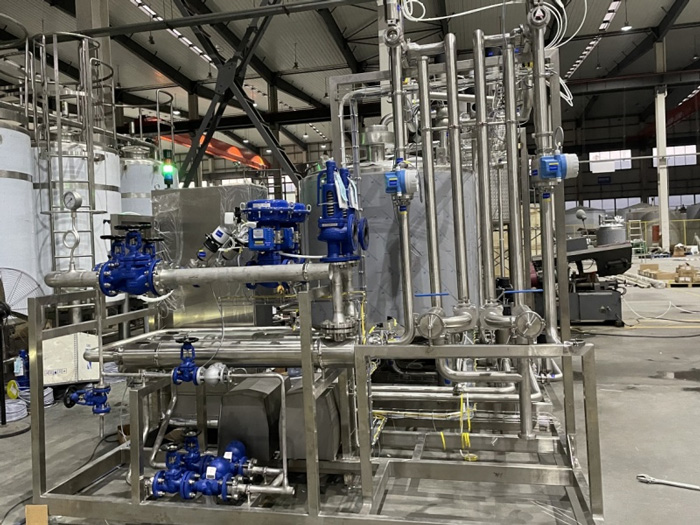
In the food industry, the cleaning in place (CIP) system has really become a key technology. It boosts food safety and production efficiency, thanks to its efficient, convenient, and automated cleaning features. CIP systems used widely in different stages of food processing. Let's take a look at some typical examples to see how important they are in the food industry.
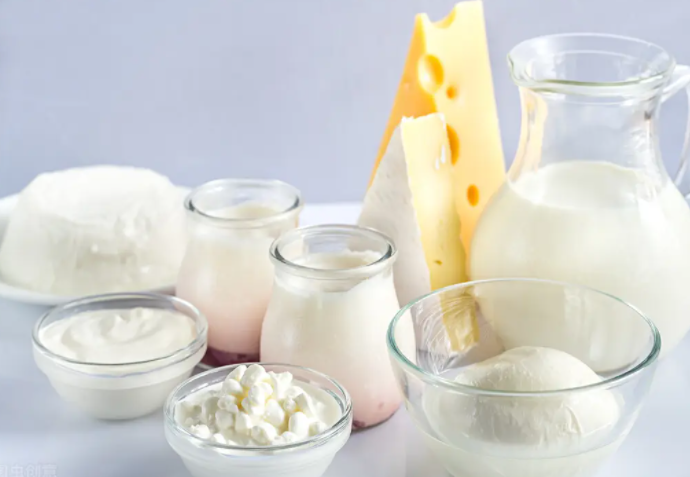
First up, the dairy industry. CIP systems are a big hit here. From collecting, storing, and processing fresh milk to packaging the final product, every step needs strict cleaning and disinfection. For instance, in milk processing, CIP systems clean essential equipment and pipes like milk storage tanks, sterilization gear, homogenizers, and filling machines. These often have residues like milk fat and protein, which can breed bacteria and mess up product quality. But with CIP's automated cleaning, these residues are gone, and microorganisms are killed, keeping dairy products clean and safe.
Take Vonfo's service to a big dairy company as an example. They introduced an advanced automated CIP cleaning system mainly for refrigerated and milk storage tanks. It improved cleaning efficiency a lot, cutting down cleaning time from four hours to two. Plus, the cleaning got much better, meeting the highest national food safety standards for tank cleanliness. And it reduced manual work, saving on detergent and lowering overall operating costs.
Beverage production industry
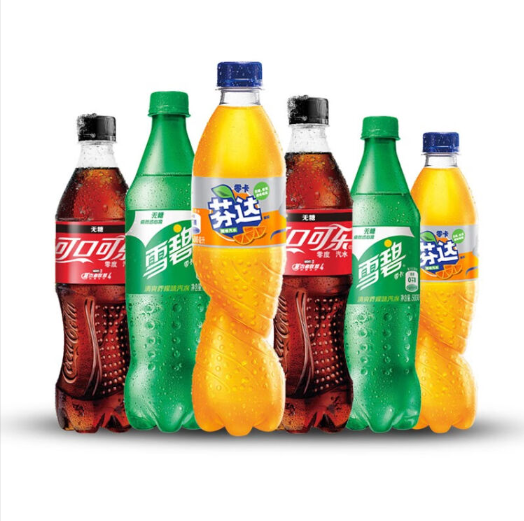
Now, let's talk about the beverage production industry. CIP systems are a must-have for making drinks like fruit juices, teas, carbonated beverages, and energy drinks. During production, all sorts of equipment—pipes, storage tanks, pasteurizers, and filling machines—need cleaning. Especially in fruit juice manufacturing, with all that sugar, fruit acid, and pectin, equipment can get stubborn stains. Here, CIP systems are crucial. They recycle acid and alkali solutions, hot water, and other cleaning agents, using high-pressure spray and rinsing to remove stains, keeping the whole production line clean.
Vonfo helped a fruit juice maker optimize their CIP system to deal with fructose residues. By tweaking things like the cleaning solution's type, concentration, temperature, and duration, the system removed fructose residues more effectively, keeping the juice pure and high-quality.
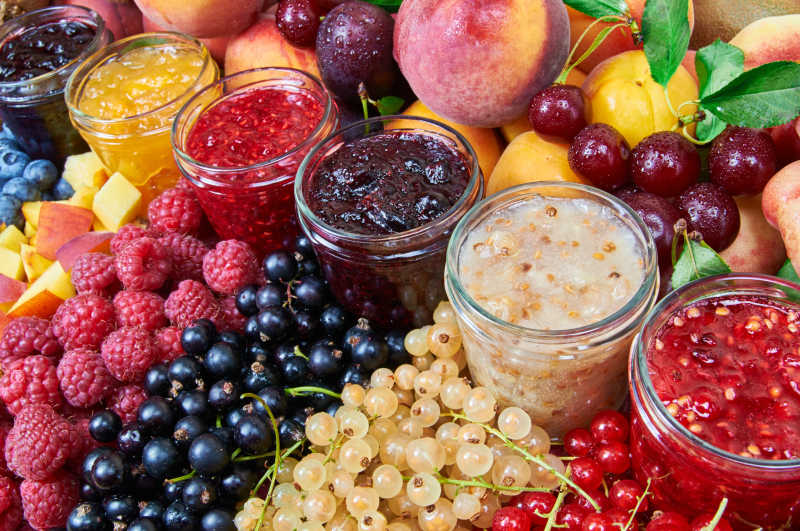
In jam processing, CIP systems are also important. Sticky ingredients like jam, sugar, and pectin stick to equipment easily. These residues are tough to remove and can breed bacteria, affecting jam's hygiene, safety, and flavor. CIP systems recycle hot water, acid and alkali solutions, using high-pressure spray and washing to remove these residues and kill microorganisms, keeping jam products healthy and safe.
For jam filling machines and mixing tanks, CIP systems get deep into the equipment, ensuring every corner is clean. This boosts jam's sanitary quality, extends equipment life, and cuts down on maintenance costs..
Ice cream processing industry
In ice cream manufacturing, CIP systems are widely used too. Equipment often gets contaminated with残留物 like ingredients, sugar, grease, and other impurities. These can quickly become breeding grounds for bacteria, messing up ice cream's hygiene, safety, and taste. To keep ice cream processing equipment clean, CIP systems use a mix of hot water and cleaning solutions like acid-base mixtures, combined with high-pressure spraying and rinsing.
Especially when cleaning ice cream mixers, molding machines, packaging machines, and other equipment, CIP systems remove residues inside to prevent bacterial growth and cross-contamination. This boosts ice cream's sanitary quality and ensures its taste and quality. Plus, CIP systems improve cleaning efficiency, reduce downtime, and boost production efficiency.

In summary, CIP systems are used in many areas of the food industry, like dairy production, beverage manufacturing, jam making, and ice cream processing. They offer an automated, efficient, and easy-to-use cleaning method, ensuring food safety and hygiene, boosting production efficiency, and lowering operating costs. As technology advances and food safety awareness grows, CIP systems will play an even bigger role in the food industry.


